Did you know that bumblebees hibernate burrowed in the ground? They spend the winter in the cold, damp soil, then come up in the warm sun of spring. The meagre first daisies that emerge between the cropped grass and the hardy March flowers their only company. Their large, furry bodies hardly stay on course in the bitter wind, still carrying the bite of winter. They try to fly to one of the daisies, then another, maybe bump into you on the way, then a particularly strong gust of wind carries them off, far away from where your eyes can pick out their shape between the grass.
March is a weird month, you get these beautifully sunny spring days, but a small breeze under the shade will leave you with goosebumps, a whisper that the winter is not over yet. Well, as fast as it arrived, it is gone, and we are left to our own devices to go back to the cold, damp Dutch weather. My favourite part of spring is to find a nice corner in the park, get a snack, and read during lunch in the heat of the sun. The competition is fierce, there are thousands of students trying to do the same thing, and there are only so many sunny patches of grass to sit on. Yet, I have still managed to read quite a bit.
The sunny weather also means that the new book store’s walking distance is a pleasant one. I don’t buy books often, but when I do, I buy a few. The downside of this is that I tend to forget why I bought these specific books at this time.
Let me illustrate with an example. I like Brandon Sanderson as an author, but I do not remember (anymore) why I bought Tress of the Emerald Sea instead of others. Why was I drawn to this specific book, why now? A similar mood is bound to strike me again, so when it does, and I reach into my bookcase, will I manage to grab this one? Unfortunately, the answer is no. I will start reading half a dozen books until one sticks, then put away the rest for another day.
Well, not anymore. I may have found a solution.
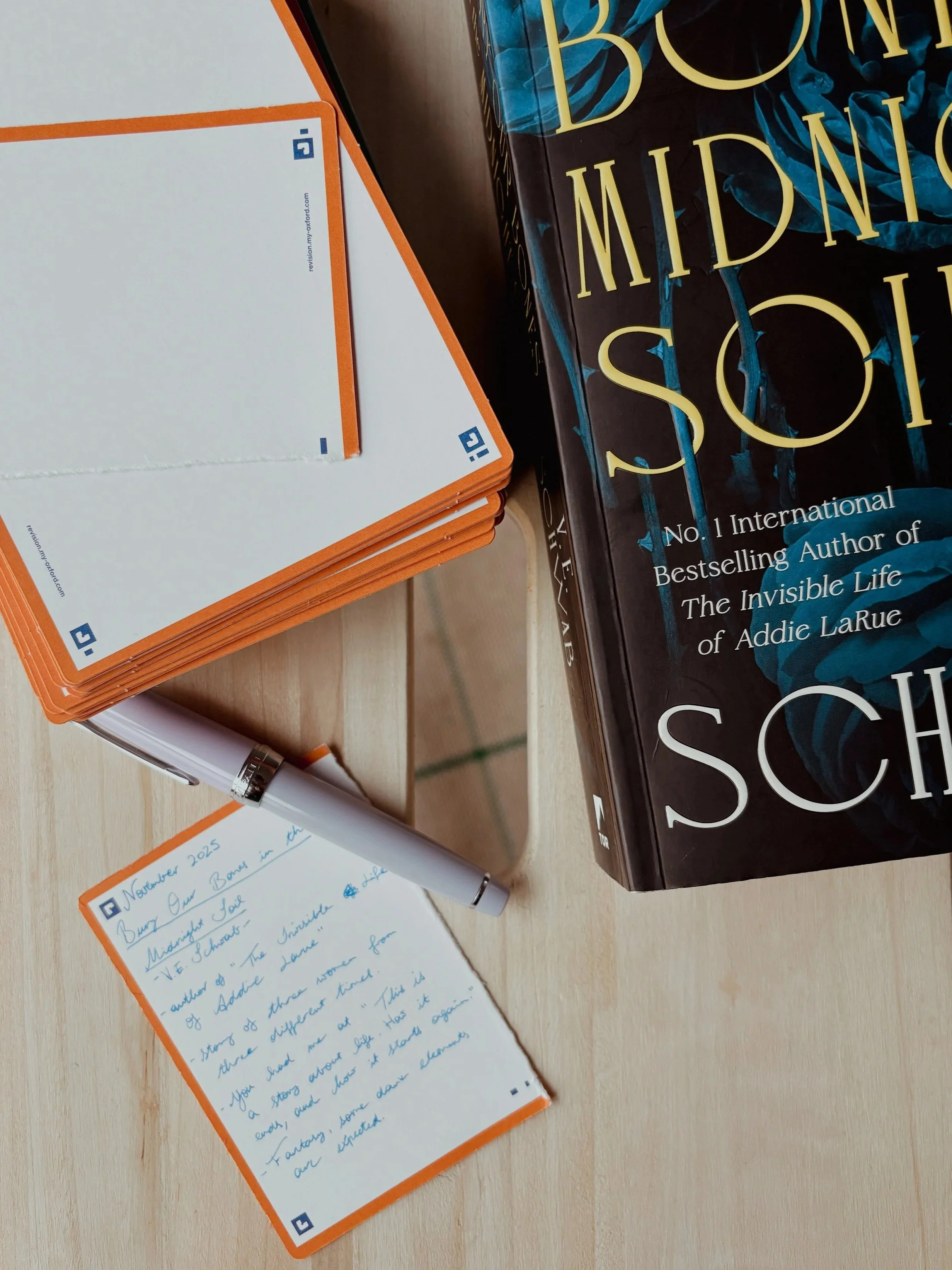
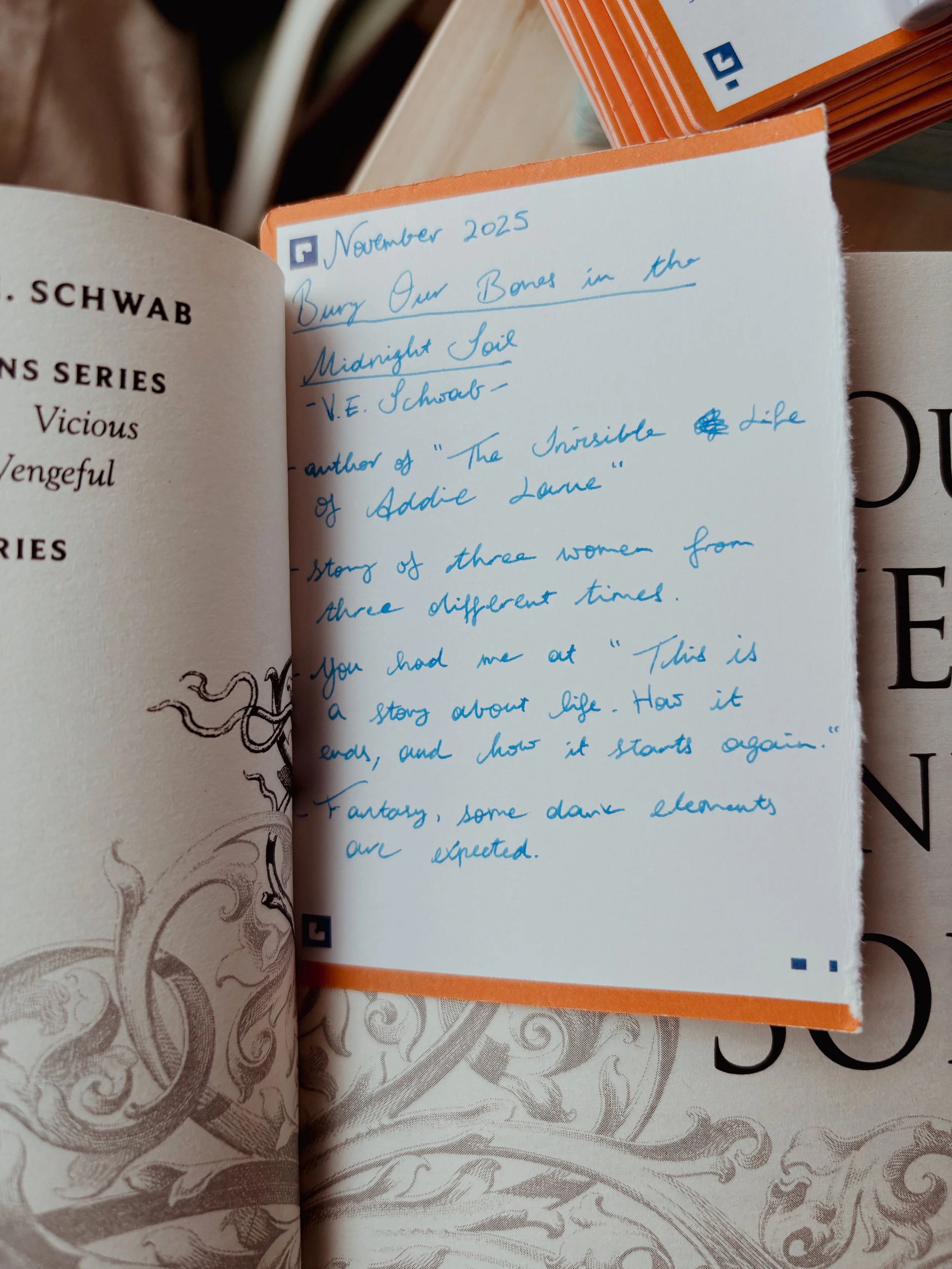
Some years ago, I was part of the Oxford Ambassador’s program, and they kept sending me flashcards. I am not a flashcard, nor a notecard person. Studying for GSAT did let me use a few of them, but I still have quite a few left. Now, I use them to write little notes for myself in the books. Maybe it’s because the bookshop’s owner recommended it to me, or maybe it’s because I read about it somewhere. Perhaps it’s simply because I like the cover. When I bought the book, why, and any other relevant information goes onto the notecard.
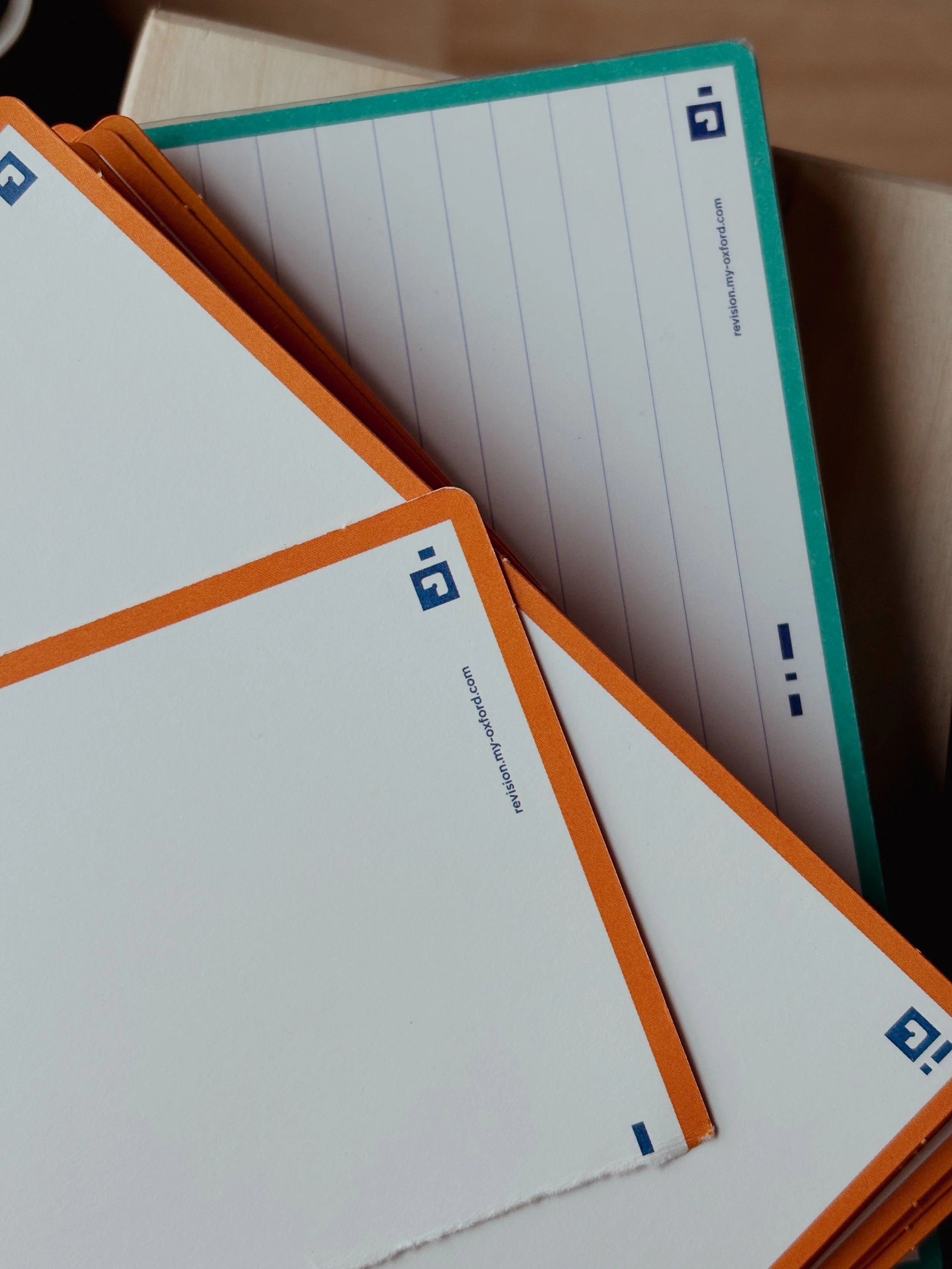
The notecards themselves are quite nice. They don’t have the Optik paper that Oxford uses in their other products, these feel less coated, but thicker. The sturdiness is welcome, and the notecards can double as a bookmark in a pinch. The best part about these is that they work well with fountain pens, showing the ink colour well. Shading is nicely visible, and sometimes a bit of sheen too. I will admit that I didn’t try shimmer inks on these yet, but I doubt the paper will misbehave.
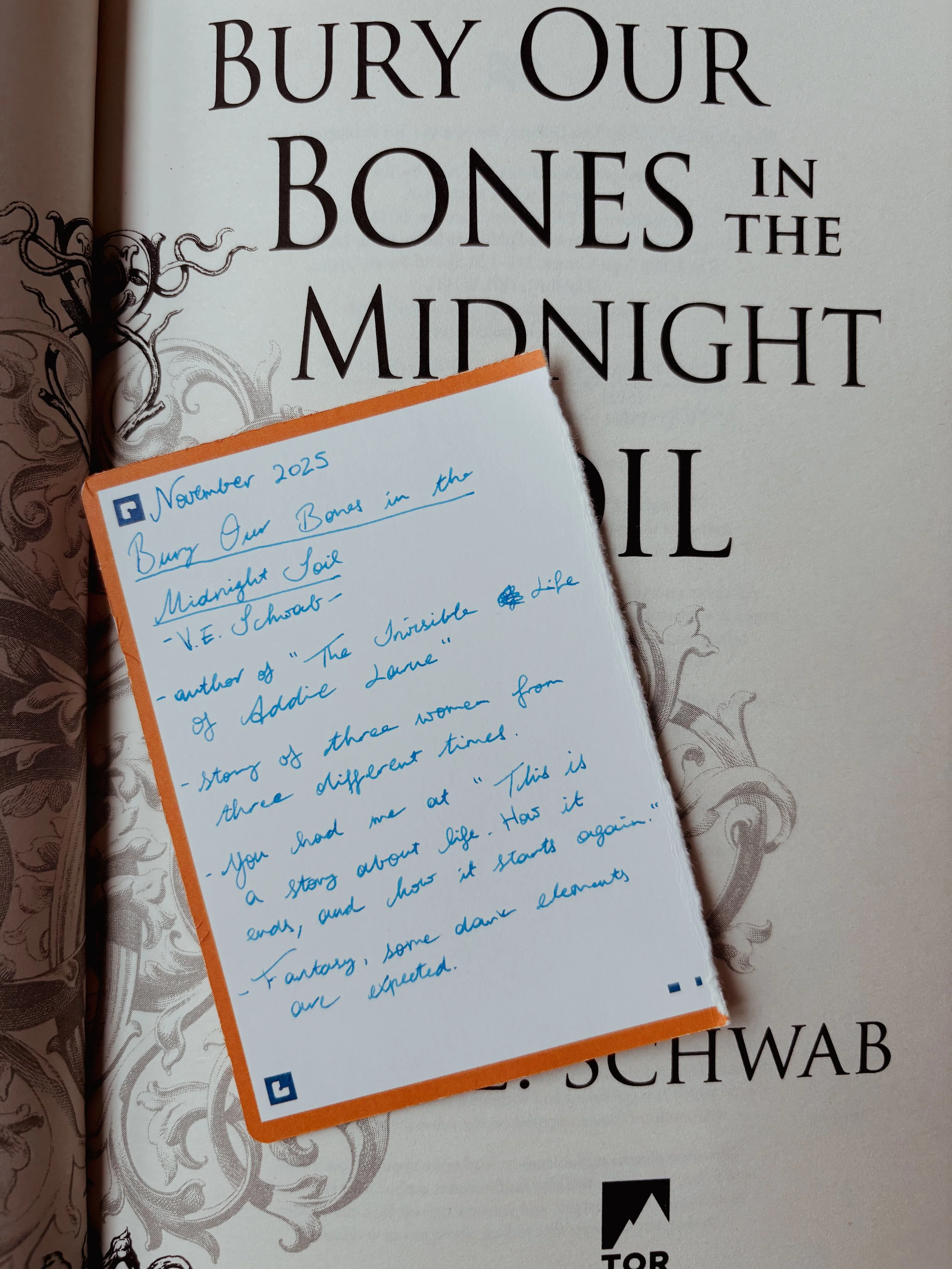
My own book problem might not be common, but these can be useful in other collections. I was tempted to use them to keep track of inks and pens, though if I leave random loose papers around, I am bound to throw them away. There’s a reason why I’m much more of a bound paper person, like notebooks or notepads.
Thank you for reading! I have also finally finished the Pen Friends page, where you can find other stationery blogs I follow. Unfortunately some have gone without updates for years now, but still offer good knowledge and reviews.
